

LEAFLETS - Information for patients
No items found.
Does cataract surgery hurt?
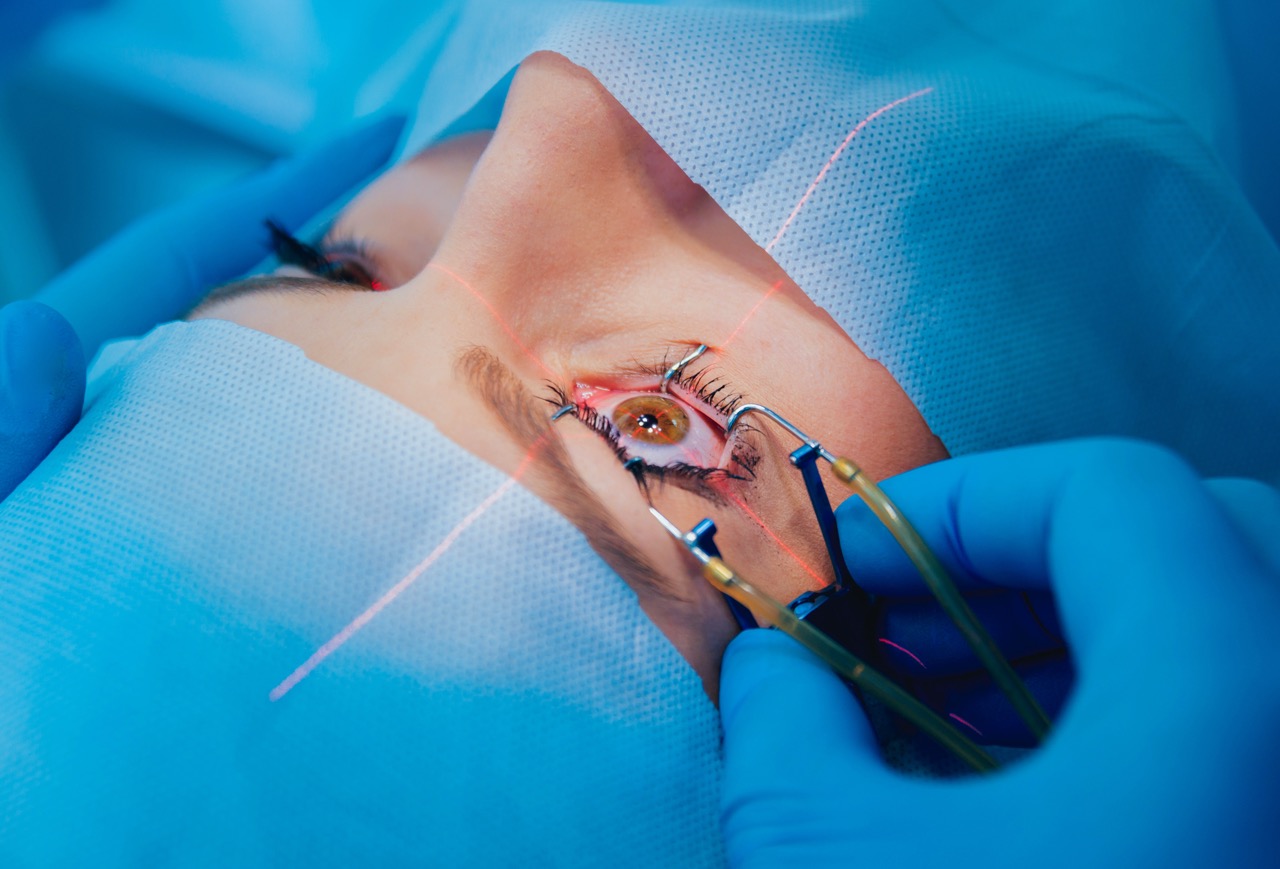
Cataract surgery is performed under local anaesthetic to numb the eye, so you should not feel pain during the procedure. You may be aware of pressure or other sensations. Anaesthetic is usually given as eye drops, though some patients require an injection as well. Your surgeon will explain the approach that is right for you.
How do I know if I need cataract surgery?
Cataract surgery may be recommended when changes to your vision start to affect everyday activities such as reading, driving or watching television. Common signs include blurred or cloudy vision, difficulty seeing at night, glare from headlights or bright sunlight, colours appearing dull or faded, and needing more frequent changes to your glasses prescription. These symptoms can have other causes, so an assessment is the best way to confirm whether cataracts are responsible and whether surgery could help.
How long does the procedure take?
The operation usually takes around 20 to 45 minutes per eye. Your visit will be longer to allow time for preparation and checks afterwards. Cataract surgery is normally performed as a day case, meaning you can return home the same day.
Will I be awake during surgery?
Most patients remain awake during cataract surgery. Your eye will be numbed and you may notice lights, shadows or movement, but you will not see the operation in detail. If you feel anxious about being awake, please let your consultant know in advance so they can discuss ways to help you feel comfortable.
How quickly will my vision improve after surgery?
Many people notice an improvement within the first few days, although vision may be blurry initially and clarity can continue to improve over the following weeks as the eye heals. Your recovery will depend on your eye health and whether you have any other conditions affecting your sight.
When can I drive after cataract surgery?
You cannot drive yourself home after cataract surgery, so please arrange transport in advance. You can return to driving once your eyesight meets the required standard and your surgeon or optometrist confirms it is safe to do so. Recovery varies between individuals, so avoid planning around a fixed number of days.
Can I have surgery on both eyes?
Yes. If cataracts affect both eyes, surgery is usually planned for each eye on separate occasions. This gives your consultant an opportunity to assess your recovery and, if needed, refine the plan before treating the second eye. Your consultant will discuss the most appropriate timing for your situation.


Our team
Lorem ipsum dolor sit amet, consectetur adipiscing elit, sed do eiusmod tempor incididunt ut labore et dolore magna aliqua.