Cataract Surgery, Belfast
Time to clear up clouded vision.
If cataracts are making it harder to read, drive at night or enjoy everyday life, we are here to help.
At the Ulster Independent Clinic, your care is led by our experienced consultants and planned around your eyes, your lifestyle and what you want from your vision.
You do not need to understand cataract surgery before getting in touch. We will assess your eyes, explain the options that are right for you and help you make an informed decision - at every stage.
Book your initial consultation
Consultant-led assessment and treatment
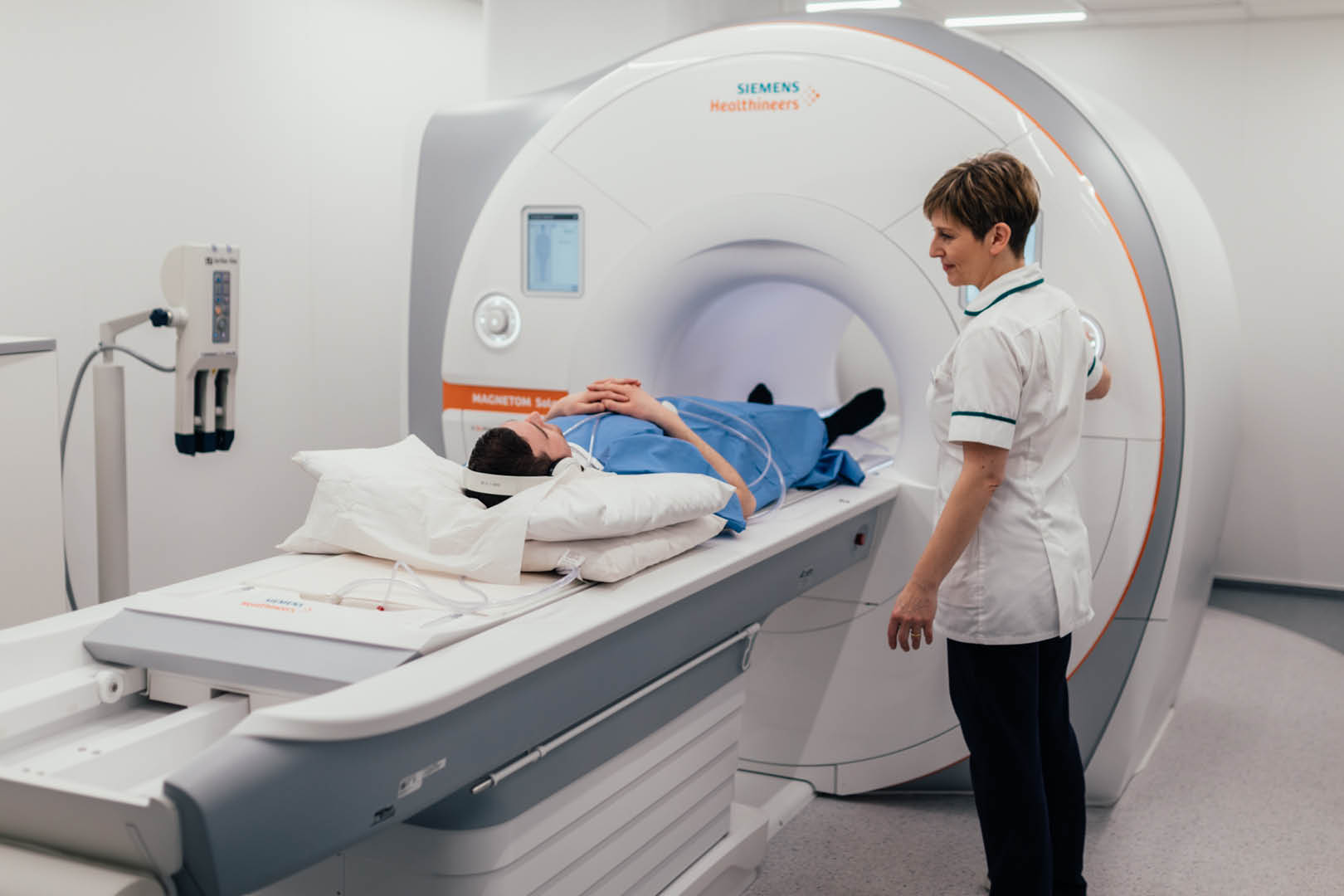
Advanced EyeStar 900 eye measurements
Lens options tailored to your clinical needs and lifestyle
Support from your first consultation through to recovery
Is this what you've been experiencing?
Cataracts develop gradually, which means it can be easy to adjust to changes in your vision without realising how much your sight has altered. Common signs include:
- Blurred, cloudy or misty vision
- Colours appearing dull or washed out
- Glare from sunlight, headlights or indoor lighting
- Halos around lights, particularly at night
- Difficulty reading, watching television or recognising faces
- Needing brighter lighting to see clearly
- More frequent changes to your glasses prescription
- Losing confidence when driving, walking outside or completing everyday tasks
- Becoming more dependent on family and friends
If any of these sound familiar, an assessment is the right next step - even if you're not sure whether surgery is necessary.
What does cataract surgery involve?
A cataract develops when the natural lens inside your eye becomes cloudy. This lens sits behind the pupil and is responsible for focusing light onto the retina. As it clouds over time, vision becomes blurred or distorted - and glasses or contact lenses can no longer correct it.
Cataract surgery removes the cloudy lens and replaces it with a clear artificial lens, known as an intraocular lens (IOL). It is one of the most commonly performed surgical procedures in the world, with a well-established safety record.
The procedure is normally carried out under local anaesthetic, takes around 20 to 45 minutes per eye and is performed as a day case - meaning you can return home the same day.
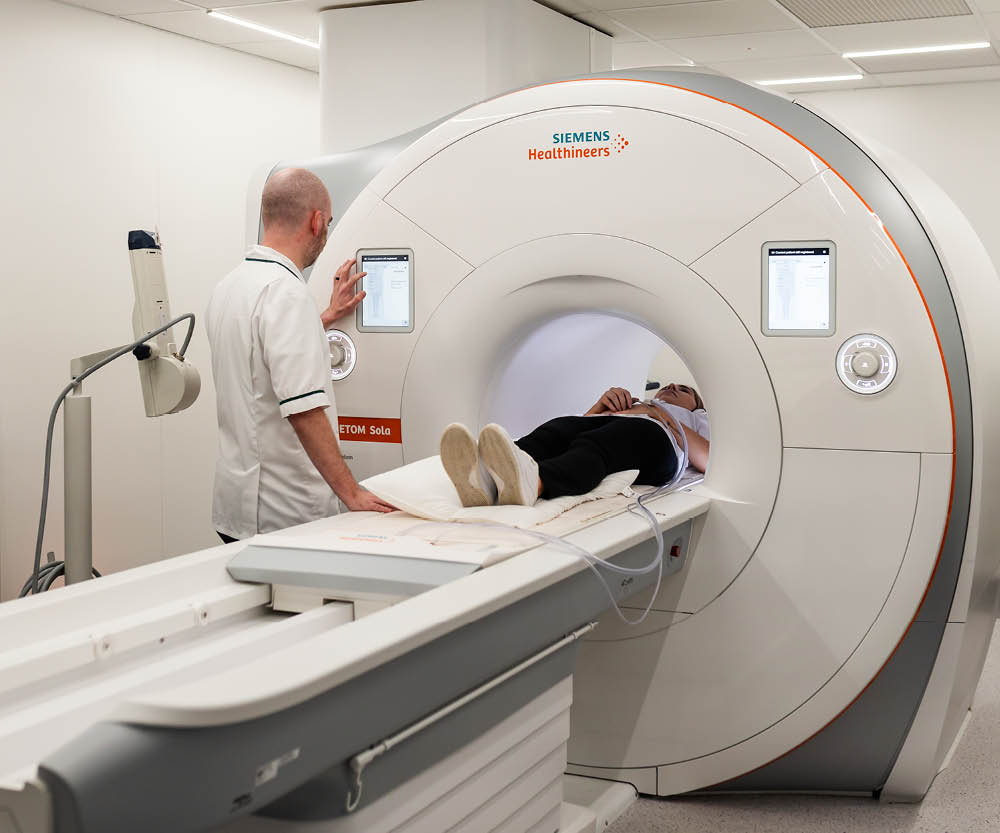
What does cataract surgery involve?
A cataract develops when the natural lens inside your eye becomes cloudy. This lens sits behind the pupil and is responsible for focusing light onto the retina. As it clouds over time, vision becomes blurred or distorted - and glasses or contact lenses can no longer correct it.
Cataract surgery removes the cloudy lens and replaces it with a clear artificial lens, known as an intraocular lens (IOL). It is one of the most commonly performed surgical procedures in the world, with a well-established safety record.
The procedure is normally carried out under local anaesthetic, takes around 20 to 45 minutes per eye and is performed as a day case - meaning you can return home the same day.
Specialist Teams
Contact us
Musculoskeletal (MSK)
Pelvic Health
Vestibular Rehab
Featured Services for Runners
Pilates for Runners
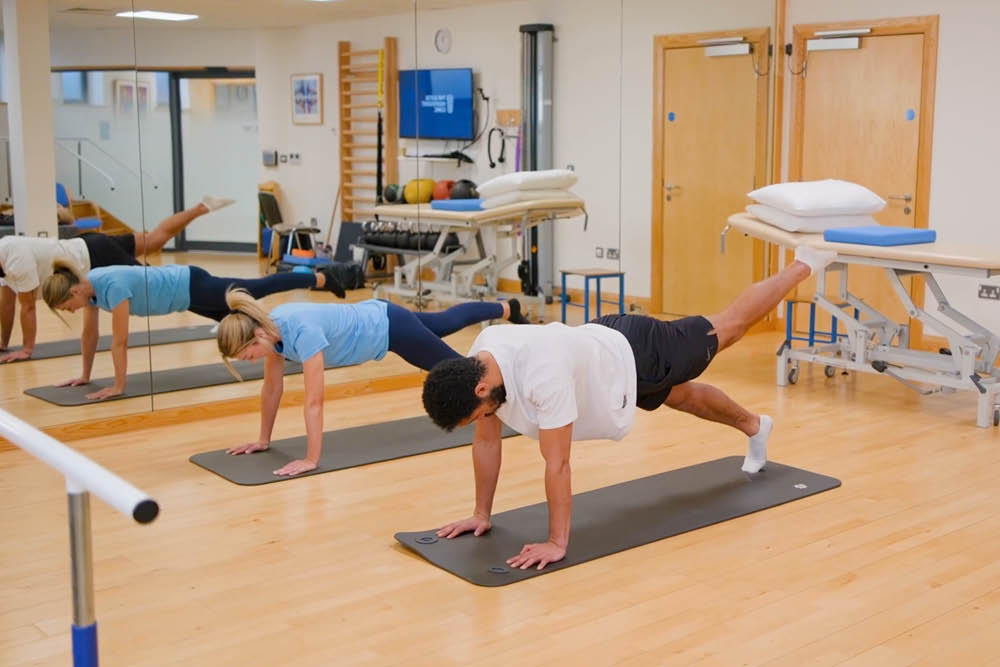
For runners wanting to build strength from the inside out, our Pilates classes focus on:
- Control and stability
- Mindful movement
- Balance and coordination that carries into daily life and running
All Pilates classes are led by senior physiotherapists.
Anti-Gravity
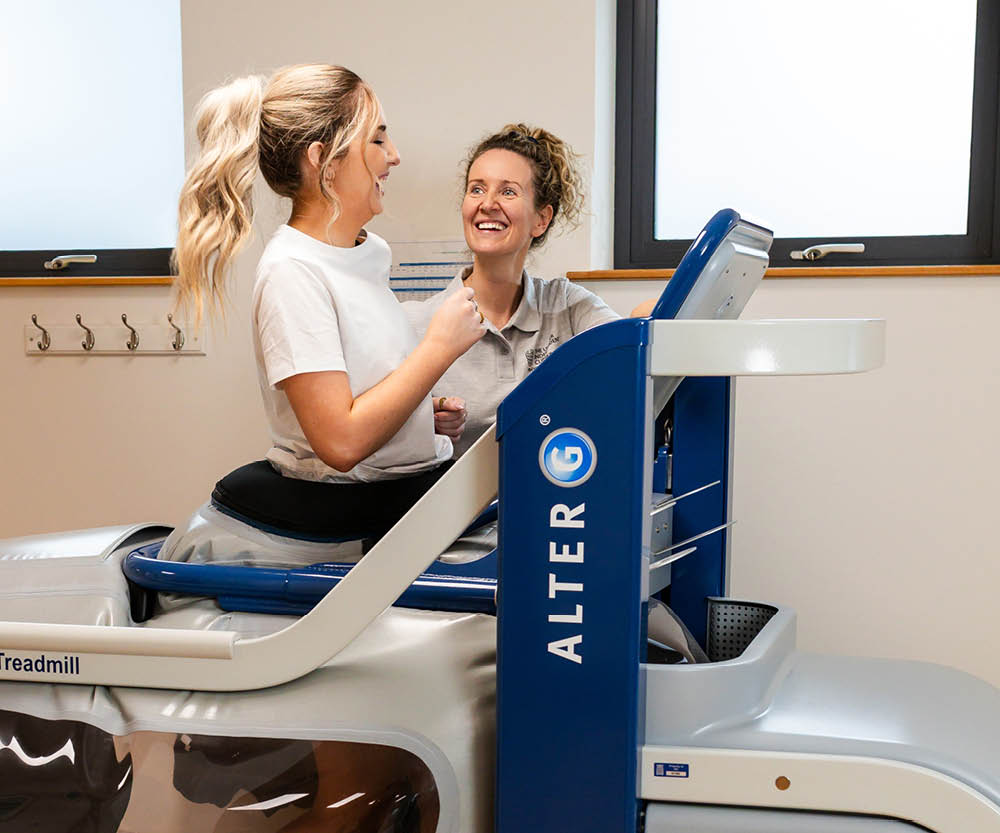
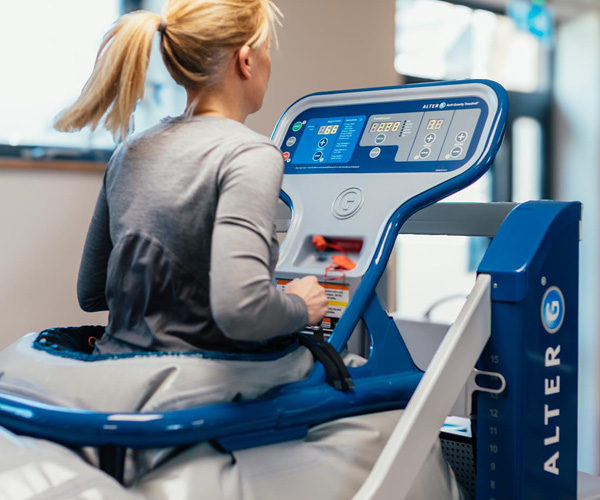
The Alter G anti-gravity treadmill allows reduced body weight running in a controlled environment by decreasing joint and ground reaction forces through injured tissues. It can support rehabilitation, movement re-training and a gradual return to activity making it an ideal solution for those recovering from surgery or returning to running following injury.
Other Services for Runners



Ready to Get Running?
Whether you're dealing with an injury right now or want to stay one step ahead, our team is here to help.
Contact us today and our team will arrange your initial assessment - let's get you back to doing what you love.
Health Insurance clients: We work with all major providers
Self-funding: We offer competitive rates.